Cockatiels
If there is one parrot I would recommend researching for someone interested in a smaller, approachable companion bird, it is the Cockatiel. Recognized by its elegant head crest, orange cheek patches and gentle appearance, the Cockatiel has become one of the most popular pet birds worldwide. It combines an attractive appearance with an affectionate, curious nature, making it particularly appealing to people who enjoy spending time with their birds.
Where Do Cockatiels Come From?
Cockatiels are native to Australia, where they are commonly found in open woodlands, grasslands and areas close to water. Unlike many forest-dwelling parrots, wild Cockatiels are well adapted to open landscapes. They often travel in flocks, searching for grass seeds, grains and other natural food sources.
Their history in captivity goes back many generations, and selective breeding has produced several beautiful color mutations.
Appearance and Distinctive Features
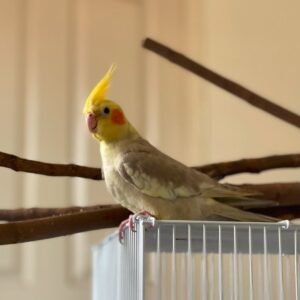
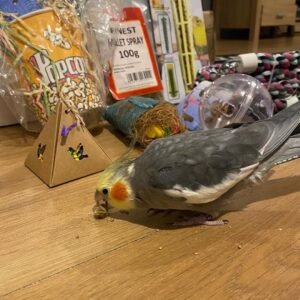
The Cockatiel is a relatively small parrot with a slender body, long pointed tail and prominent crest. The familiar grey variety has a grey body, white wing markings, a yellow face and orange cheek patches.
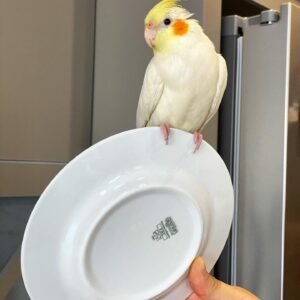
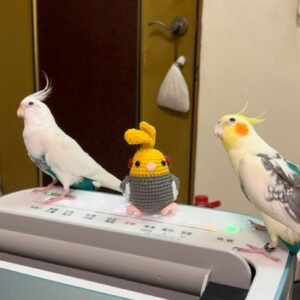
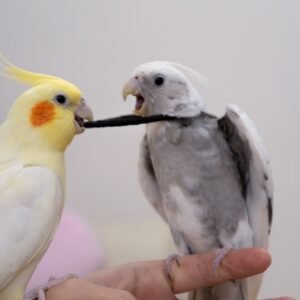
Other varieties include Lutino, Pearl, Pied, Cinnamon and Whiteface. These mutations offer different feather patterns and color combinations.
Behavior and Temperament
Cockatiels are generally friendly, curious and sociable. They often communicate through whistles, chirps and soft calls. Some males become particularly talented at learning tunes and repeating sounds.
They enjoy gentle interaction, climbing and exploring toys. However, every bird has an individual temperament, and trust should always be developed gradually rather than forced.
Cockatiel Size and Measurements
| Characteristic | Details |
|---|---|
| Origin | Australia |
| Adult size | Approximately 30–33 cm |
| Weight | Approximately 80–120 g |
| Lifespan | Around 15–25 years or longer |
| Main colors | Grey, yellow, white and orange |
| Diet | Pellets, vegetables, fruits and seeds |
| Conservation status | Least Concern |
Feeding and Everyday Maintenance
Cockatiels need a nutritious diet based on quality pellets, leafy vegetables and other bird-safe fresh foods. Seeds can be included in moderation rather than making up the entire diet.
Their cage should provide enough space for movement, with natural perches, toys and opportunities to exercise. Regular cleaning and access to bathing opportunities also support good feather condition.
Showing 1–16 of 17 results
- Sale!
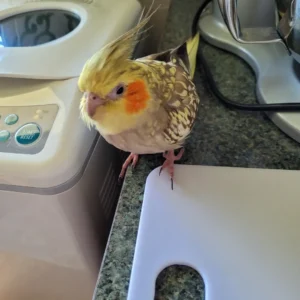
baby cockatiel for sale near me
Original price was: $350.00.$200.00Current price is: $200.00. Add to cart - Sale!

Baby Cockatiels for Sale
Original price was: $800.00.$500.00Current price is: $500.00. Add to cart - Sale!

Cheap Cockatiels for Sale
Original price was: $300.00.$200.00Current price is: $200.00. Add to cart - Sale!

Cockatiel Birds for Sale
Original price was: $300.00.$200.00Current price is: $200.00. Add to cart - Sale!
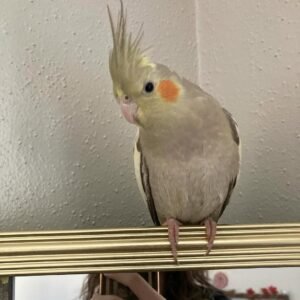
Cockatiel Birds for Sale Near Me
Original price was: $300.00.$250.00Current price is: $250.00. Add to cart - Sale!
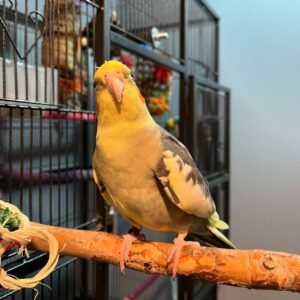
Cockatiel for Sale Online
Original price was: $350.00.$200.00Current price is: $200.00. Add to cart - Sale!

Cockatiel Parrots for Sale
Original price was: $350.00.$250.00Current price is: $250.00. Add to cart - Sale!

Cockatiel Parrots for Sale Near Me
Original price was: $250.00.$200.00Current price is: $200.00. Add to cart - Sale!
Cockatiels for sale
Original price was: $400.00.$250.00Current price is: $250.00. Add to cart - Sale!

Cockatiels for Sale Near Me
Original price was: $500.00.$250.00Current price is: $250.00. Add to cart - Sale!
Cockatiels for Sale Under $100
Original price was: $350.00.$200.00Current price is: $200.00. Add to cart - Sale!
Female Cockatiels for Sale
Original price was: $300.00.$200.00Current price is: $200.00. Add to cart - Sale!

lutino cockatiels for sale
Original price was: $500.00.$200.00Current price is: $200.00. Add to cart - Sale!
Male Cockatiels for Sale
Original price was: $400.00.$250.00Current price is: $250.00. Add to cart - Sale!
Pearl Cockatiels for Sale
Original price was: $600.00.$450.00Current price is: $450.00. Add to cart - Sale!
Pied Cockatiels for Sale
Original price was: $600.00.$450.00Current price is: $450.00. Add to cart