




Description
Cockatiel Parrots for Sale
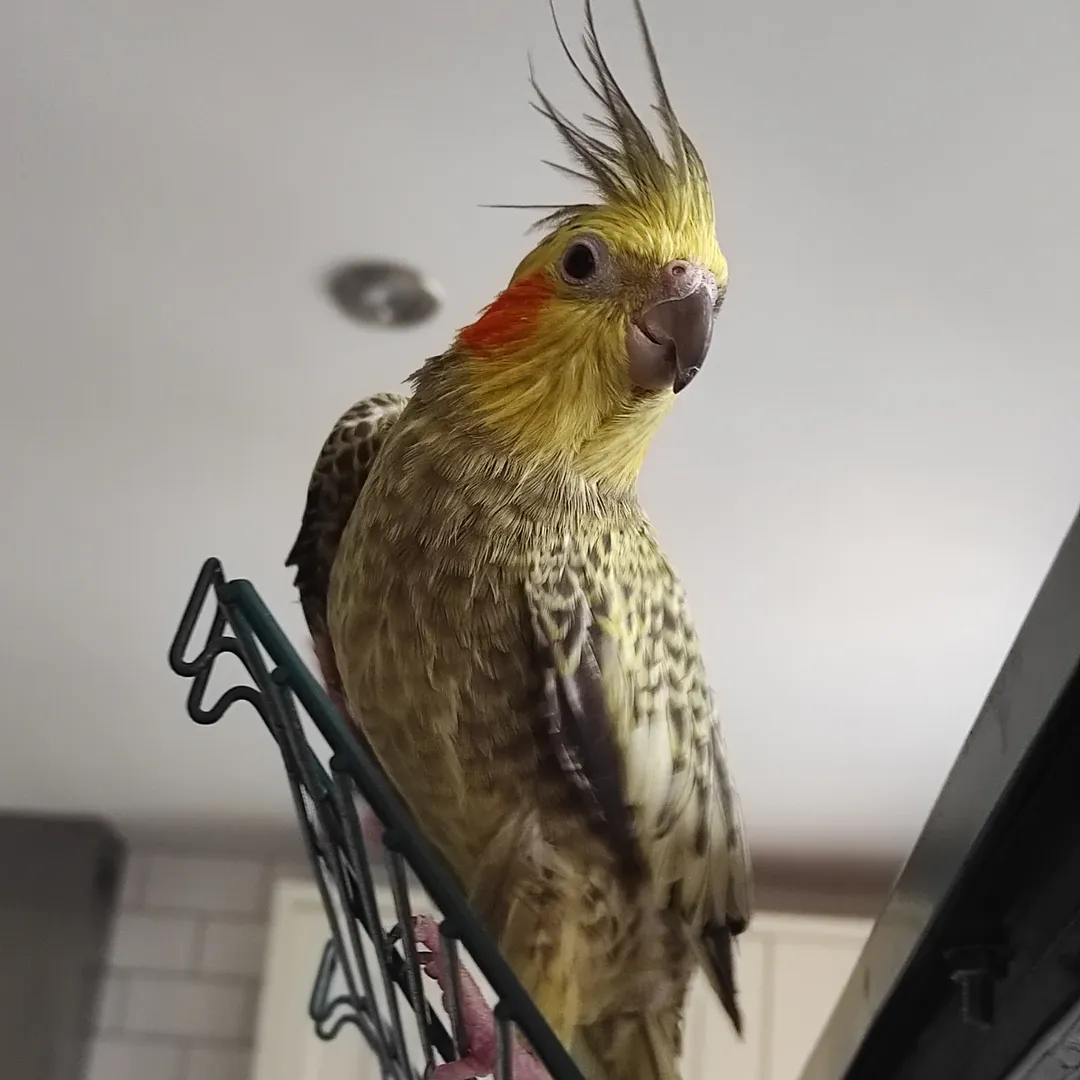
PEARL COCKATIEL: Genetics, Breeding and Color Inheritance
The Pearl Cockatiel is particularly interesting to breeders because its color pattern is controlled by a sex-linked recessive mutation. Understanding this inheritance helps explain why some chicks develop obvious pearling while others may carry the mutation without showing the characteristic markings.
In cockatiels, males have two Z chromosomes, while females have one Z and one W chromosome. The Pearl mutation is located on the Z chromosome. A female can therefore display Pearl coloring with one copy of the mutation, whereas a male generally needs two copies to display it visually.
This genetic difference affects breeding outcomes. For instance, a visually Pearl male paired with a Normal Grey female that does not carry Pearl can produce daughters that visually display Pearl, while the sons may carry the Pearl gene without showing the pattern.
Breeders should also understand that the visible pattern can change with age, especially in males. A young Pearl male may appear beautifully patterned before losing much of that pearling during his first major moult.
When planning a breeding program, it is important to record parentage and distinguish between birds that visually display a mutation and those that merely carry it. This helps avoid incorrect assumptions about genetic outcomes.
Responsible Pearl breeding should focus on healthy, well-conditioned birds rather than selecting parents exclusively for attractive feather markings. Good nutrition, suitable nesting conditions and adequate rest between breeding attempts are essential.